Distinguished Lecture Series
The Neuroscience and Behavior program offers an annual Distinguished Lecture Series that features a speaker who engages with students, faculty, and the community on a neuroscience issue.
Spring 2026 Distinguished Lecture Series Speaker
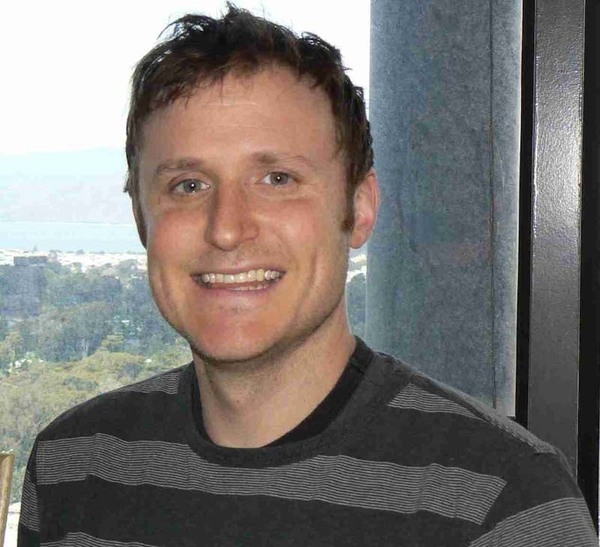
Richard Daneman
Richard Daneman received his Bachelor of Science from McGill University in Montreal, Canada, majoring in biochemistry. He then received his Ph.D in developmental biology from Stanford University, where he studied the molecular mechanisms that regulate blood-brain barrier formation in the laboratory of Dr. Ben Barres. Dr. Daneman then started his own lab as a Sandler Fellow at UCSF, before moving to a position as Assistant Professor in the departments of Pharmacology and Neuroscience at the University of California, San Diego.
Dr. Daneman focuses on understanding the molecular mechanisms that regulate blood-brain barrier (BBB) function in health and disease. His lab uses a combination of cellular, molecular, and genetic approaches to understand the mechanisms of BBB formation and function, addressing questions such as: What mechanisms regulate the formation and function of the BBB? How does the BBB interact with the neuronal circuitry to regulate brain function and behavior? What are the molecular mechanisms that lead to BBB disruption during neurological disease?
The overall goal of his work is to elucidate these mechanisms, enabling the development of therapeutics to modulate the barrier and treat neurological diseases. He has received a number of honors, including the Klingenstein-Simons Award in Neuroscience, the Rita Allen Foundation Milton E. Cassel Scholar Award, the AAA Young Investigator Award, the ASPET Neuropharmacology Early Career Award, and the NINDS Landis Award for Outstanding Mentorship.
View Richard Daneman's Lecture Video
Fall 2024 Distinguished Lecture Series Speaker
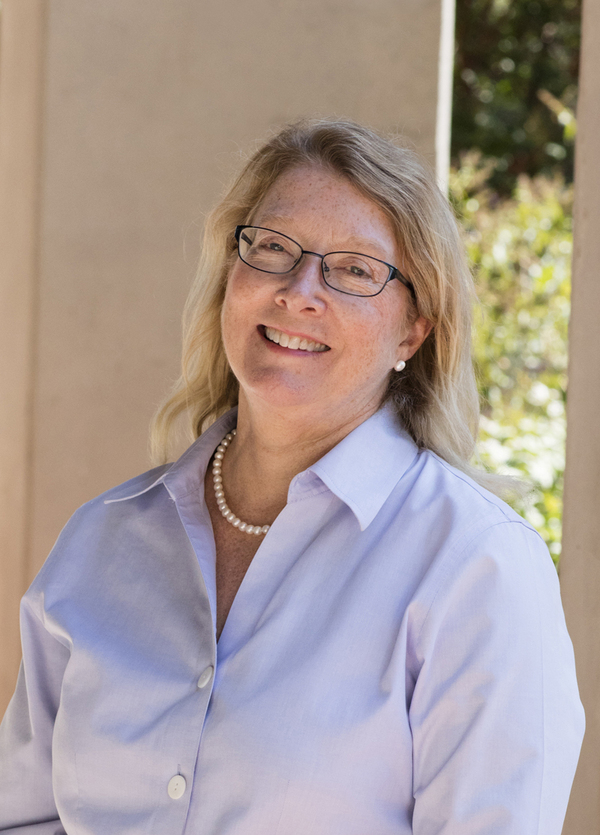
Peg McCarthy
Margaret (Peg) McCarthy received a PhD from the Institute of Animal Behavior at Rutgers University, Newark NJ, completed postdoctoral training at Rockefeller University in New York NY, and was a National Research Council Fellow at NIH-NIAAA before joining the faculty of the University of Maryland School of Medicine in 1993 in Baltimore Maryland, USA. She was a Professor in the Department of Physiology before becoming the Chair of the Department of Pharmacology in 2011.
McCarthy has a long-standing interest in the cellular mechanisms establishing sex differences in the brain. She uses a combined behavioral and mechanistic approach in the laboratory rat to understand both normal brain development and how these processes might go selectively awry in males versus females. She has published over 200 peer-reviewed manuscripts and has been cited close to 10,000 times.
In addition to being Chair of the Department of Pharmacology, Margaret is the inaugural Director of the University of Maryland - Medicine Institute for Neuroscience Discovery (UM-MIND). She is a Reviewing Editor for the Journal of Neuroscience and a fellow with AAAS and ACNP, former President of the Organization for the Study of Sex Differences, and current President of the Society for Behavioral Neuroendocrinology.
View Peg McCarthy Lecture Video
Spring 2024 Distinguished Lecture Series Speaker

Fiona Harrison
Associate Professor of Medicine; Division of Diabetes, Endocrinology & Metabolism
Director, Vanderbilt Murine Neurobehavioral Core Co-Director, T32 Training program in Environmental Toxicology
Dr. Harrison earned her undergraduate and graduate degrees in Psychology and Behavioral Neuroscience from Cardiff University in Wales. She moved to Vanderbilt in 2004 and opened her own lab in 2011 in the Division of Diabetes, Endocrinology and Metabolism in the Department of Medicine. Dr. Harrison’s research focus is on how our diet and environmental exposures can influence our brain health and behavior and contribute to susceptibility to developmental disorders and to age-related neurodegenerative disorders. Dr. Harrison is well-known for her work on the varied roles of vitamin C in the brain and particularly the effects of vitamin C deficiency. Her research also includes other nutrients including manganese which is critical to life but damaging at higher exposure levels. Both vitamin C and manganese directly impact normal function of a range of neurotransmitter systems. Work in the Harrison lab is performed predominantly in rodent models and cell culture systems and Dr. Harrison strives to provide a supportive environment for all trainees and collaborators to thrive and develop.